
Bali With Young Children: What Actually Works
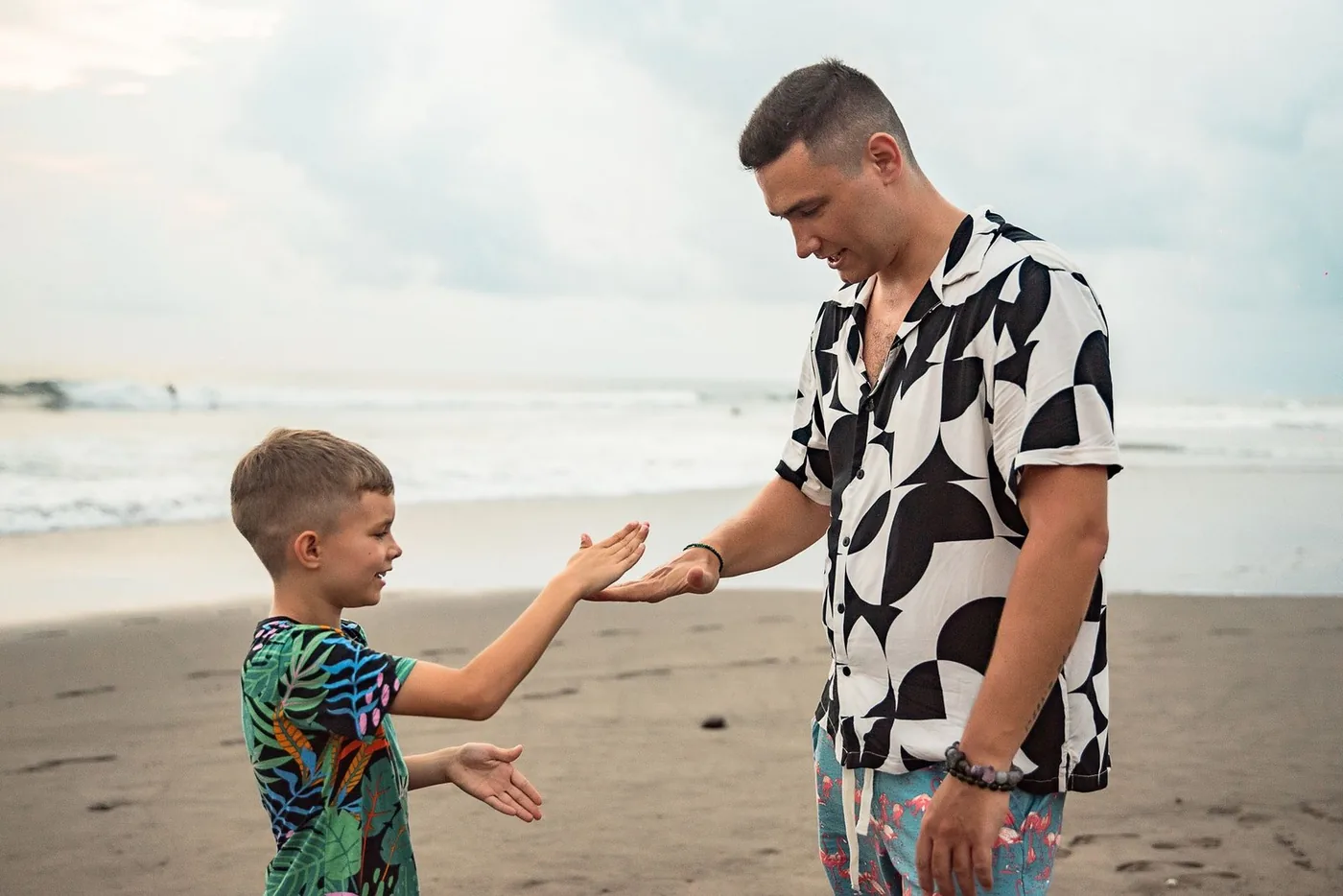
Bali has a deserved reputation as one of the easier long-haul destinations to take small children to, and most of that reputation is earned. Balinese culture is genuinely, unforcedly fond of children; restaurants make room without being asked, staff will happily entertain a toddler while you finish a meal, and nobody tuts at noise. What can go wrong is almost always logistical rather than cultural, and most of it is decided before you arrive.
Where you base yourself matters more than anything else. Bali's traffic is the single biggest drain on a family holiday, and a villa that looks twenty minutes from the beach on a map can be fifty in the late afternoon. Pick an area where you can walk to a shop, a café and somewhere to swim, and the whole trip becomes easier; pick somewhere scenic but isolated and you will spend the fortnight strapping children into car seats.
Think hard about the pool. A private pool is the single most-used feature of any family villa in Bali, and it is also the main hazard. Ask specifically about depth, whether there is a shallow section or step a toddler can stand on, and whether any fencing or gate exists. Many villas have none, which is manageable with vigilance but needs knowing in advance rather than discovering on arrival.
Plan the first two days around the flight rather than the itinerary. Coming from Europe or the UK, children arrive wrecked and body-clocked, and any attempt at a temple tour on day one ends badly for everyone. Two low days by the pool, early dinners and an acceptance that everyone will be awake at four in the morning gets the group onto local time far faster than pushing through.
The practical health business is straightforward but wants doing properly. Bottled or filtered water for drinking and teeth, sensible caution with ice outside established places, high-factor sun cream applied far more often than feels necessary, and good mosquito cover at dusk. Check your travel insurance covers children properly and note where the nearest decent clinic is; the international ones in the south are excellent, and knowing the address beforehand saves a bad hour.
Food is rarely the problem people expect. Balinese cooking is mild by Southeast Asian standards, nasi goreng and satay are close to universally accepted by small children, and every café in the south does eggs, fruit and toast. Where families come unstuck is timing rather than menu: eat at six rather than eight, and everybody has a better evening.
Consider hiring help, because it is normal here and transformative. Many villas include or can arrange a cook, and a few hours of childcare from someone the villa knows and vouches for is inexpensive by European standards. Parents who arrange one evening a week to eat properly, uninterrupted, tend to come home significantly more rested than those who did not.
None of this is complicated, and that is rather the point. Base yourself somewhere walkable, check the pool, write off the first two days, cover the sun and mosquitoes, eat early, and take the help that is offered. Get those right and Bali with young children is genuinely relaxing, which is not a sentence you can write about many long-haul destinations.