
Getting Around Bali Without Losing Your Afternoon
The single most common miscalculation visitors make about Bali is treating distance as a proxy for time. On the map, Seminyak to Ubud is about twenty-five kilometres and looks like half an hour. In practice, at four in the afternoon, it can be the better part of two, and a day planned on map distances tends to dissolve into a day spent in a car.
The traffic is concentrated and predictable, which is the useful part. The congestion lives in the southern strip - Kuta, Seminyak, Canggu, Denpasar and the roads between them - and it peaks in the late afternoon and early evening. Head north or east before nine in the morning and the same road is clear. Once you know the pattern you can plan around it fairly easily.
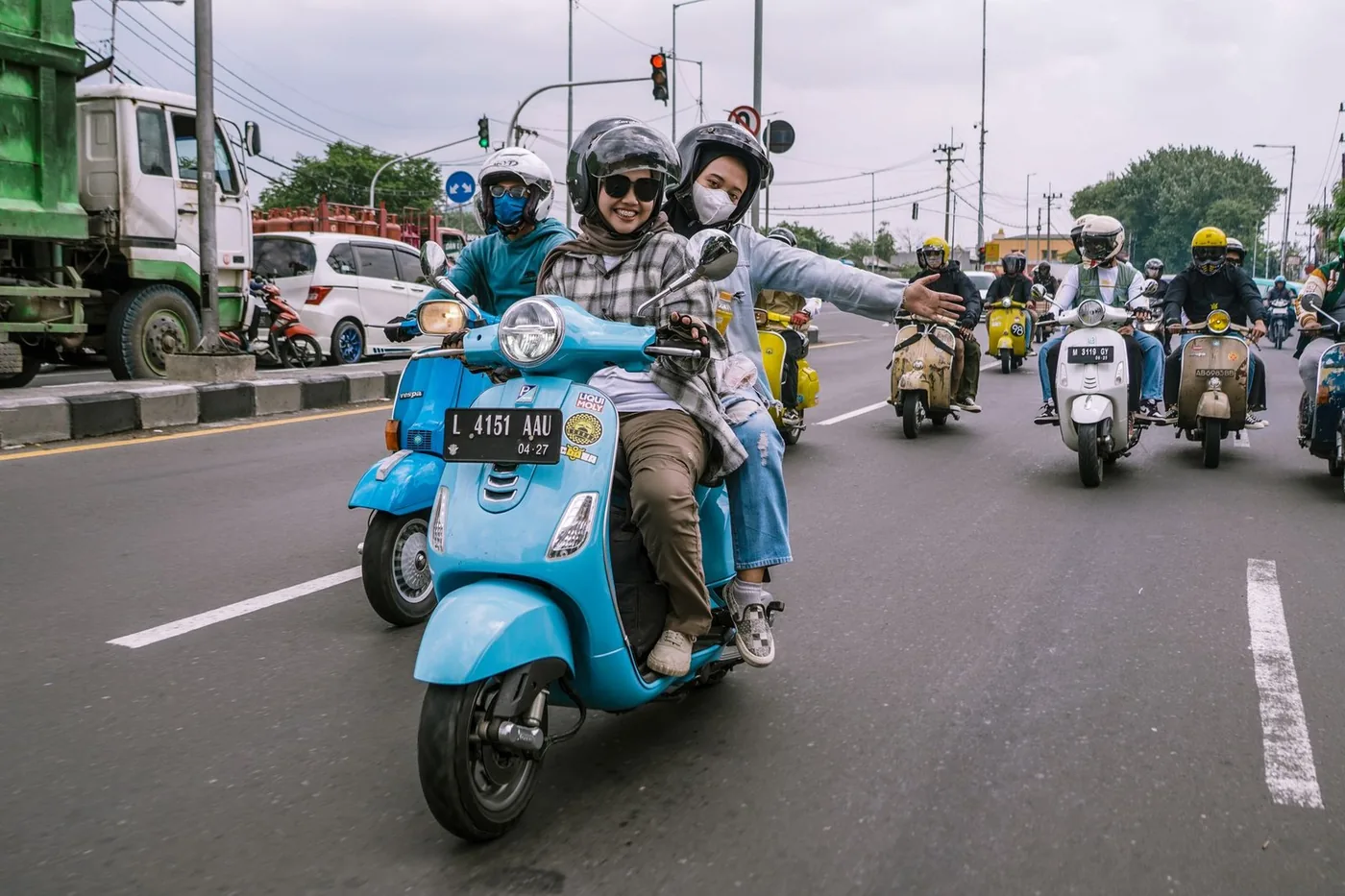
Scooters are how most of the island moves, and they come with a genuine warning. They are cheap, quick and the only thing that makes the south navigable at five o'clock. They are also responsible for the majority of visitor injuries here, and most travel insurance will not pay out unless you hold the correct motorcycle entitlement and wear a helmet. If you have never ridden one, Bali's traffic is not the place to learn.
A car with a driver is the standard answer for a day out, and it is better value than it sounds. Hiring a driver for the day costs less than most European taxi fares and buys you air conditioning, local knowledge, someone who knows where to park at every temple, and the freedom to change the plan at lunchtime. For a family or a group it is almost always the right call.
Ride-hailing apps work well in the south and patchily elsewhere. They are cheap and convenient around Seminyak, Canggu and Denpasar, though a number of areas have local driver associations that restrict app pickups, and you will occasionally be asked to walk a street or two to meet the car. Outside the southern belt, coverage thins and a pre-arranged driver is more reliable.
The best planning trick is simply to do less and start earlier. One destination a day, left by half past eight, back before the afternoon build-up, is a far better formula than three sights and a five o'clock crawl home. It also puts you at the temples, terraces and markets during the good light and before the coaches, which improves the day twice over.
Stay somewhere walkable and the whole question shrinks. If a shop, a café and somewhere to swim are on foot from your door, most days need no transport at all, and the car becomes something you arrange twice a week for a proper excursion rather than a daily ordeal. This is the strongest argument there is for paying attention to location when you book.
Bali is a small island with big journey times, and the visitors who enjoy it most are the ones who accept that early and plan accordingly. Go out early, come back before the rush, keep the days simple, and the island stops feeling like somewhere you spend a lot of time trying to get across.