
The Wet Season Is Not the Problem You Think
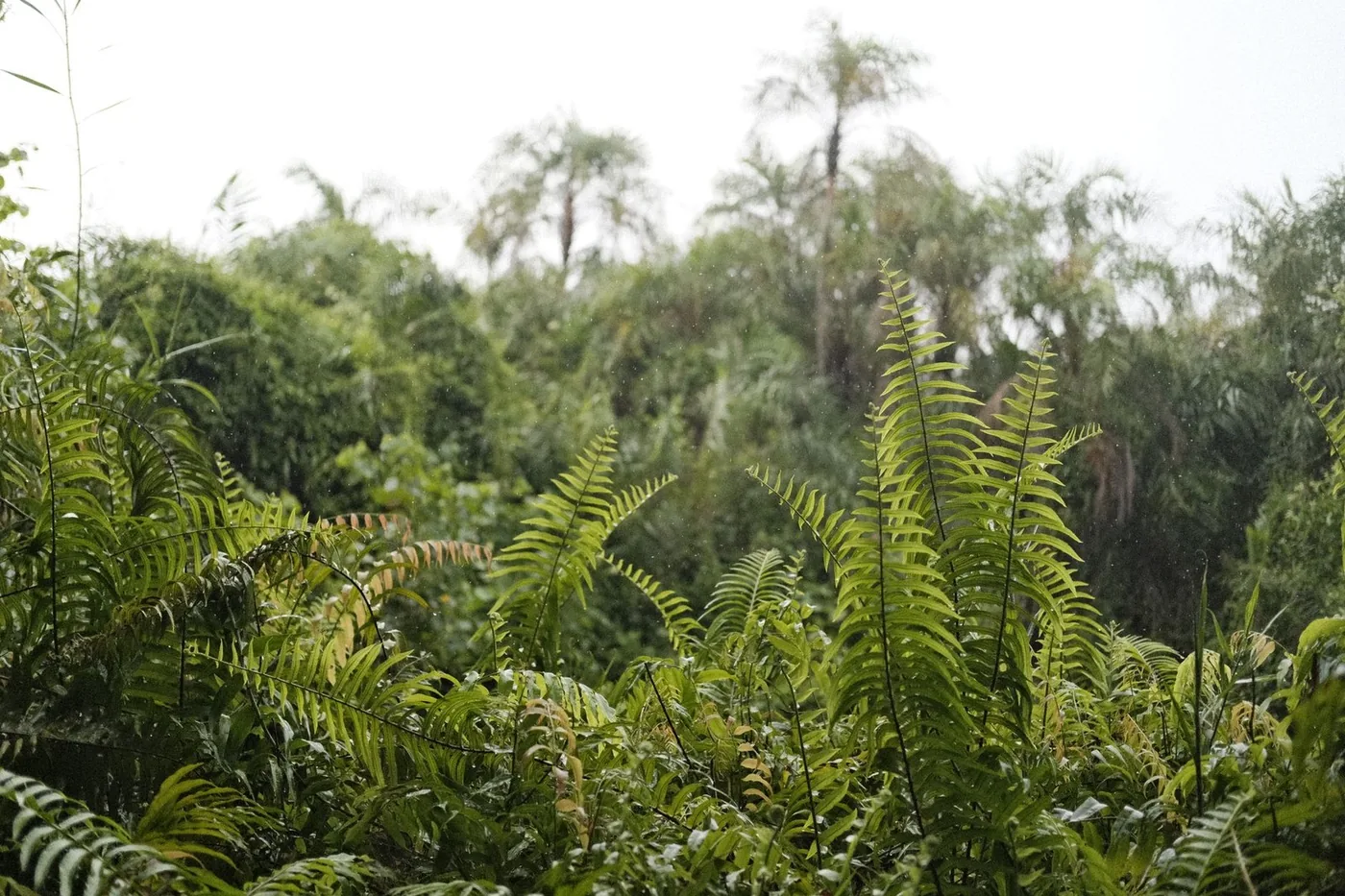
The Bali wet season, roughly November through March, has a reputation among people who have not experienced it that bears very little relation to the thing itself. The mental image is of grey days and a washed-out holiday. The reality is closer to a long, hot, brilliantly green season punctuated by short and spectacular downpours, with a great deal of sunshine in between.
The rain arrives in bursts rather than settling in. A typical wet-season day is warm and bright through the morning, clouds up in the early afternoon, delivers an hour or two of genuinely torrential rain, and clears to a washed, gleaming evening. It is not the all-day drizzle of a northern European winter; it is a scheduled event you plan around, and most days still deliver plenty of usable hours.
What you get in exchange is a considerably better island. Everything is green in a way the dry months simply cannot match - the terraces at their most vivid, the rivers full, the waterfalls actually worth the walk. The air is cleaner after each downpour, the light after rain is superb for photographs, and the whole landscape looks like the version in the brochures.
It is also much emptier and much cheaper. Villa rates fall substantially outside the high season, the good restaurants have tables, the temples and terraces are quiet, and the roads in the south are noticeably easier. For anyone with flexibility - long-stayers, families outside school terms, couples - the trade of some rain for a fraction of the crowds and the cost is a strong one.
There are genuine downsides and they are worth knowing. Humidity is high and constant. Mosquitoes are more active, so cover and repellent matter more. Some sea crossings to the smaller islands get cancelled in rough weather. Diving visibility can drop. Occasional flash flooding affects low-lying roads in the south, and seasonal currents bring more debris onto the west-coast beaches, which is unpleasant and widely photographed.
Planning around it is mostly a matter of shape. Do the outdoor things in the morning, keep the afternoons loose, and choose accommodation with somewhere sheltered and pleasant to sit out a downpour - a covered terrace is worth more in February than a sun lounger. Pack a light rain jacket, sandals you do not mind soaking, and a dry bag for anything electronic.
For families in particular it can work well. Children are entertained by tropical rain for at least the first several downpours, the pool is warm regardless, and the fact that everything costs less means a larger, better villa comes within reach. The main adjustment is expecting to be indoors for an hour or two most afternoons, which with a good villa is no hardship at all.
The wet season is not the off-season because Bali is bad then. It is the off-season because school holidays and northern winters point elsewhere. Anyone able to ignore that gets the same island, greener and quieter, for meaningfully less money, and only has to be somewhere sheltered for an hour a day in exchange.